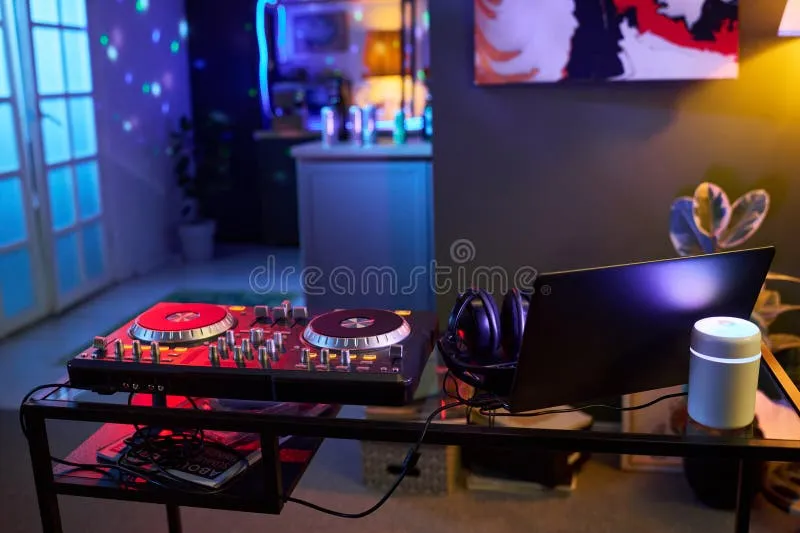
Dancing Clear: The Sober Rave Movement That's Redefining What a Night Out Can Feel Like
Somewhere along the way, the idea that you needed to be altered to truly enjoy a rave became almost conventional wisdom. It was woven into the culture, referenced in the music, assumed in the marketing. If you were on the dance floor at 3am, the thinking went, something other than the kick drum was probably keeping you there.
That assumption is being dismantled, one sober dance floor at a time.
Across the United States, a wave of substance-free events is drawing crowds that are bigger, more diverse, and more enthusiastic than a lot of skeptics expected. These aren't austere, joyless affairs — they're full-energy, high-production club nights where the music does exactly what it was always supposed to do. And the people showing up are changing what promoters, venue owners, and DJs think they know about what keeps a room alive.
The Science of the Sober Dance Floor
Before we get into the cultural shift, it's worth understanding what's actually happening in your brain when you dance — no substances required.
The neurochemistry of dancing is legitimately wild. Movement to music triggers the release of dopamine, the brain's primary reward signal, in patterns that researchers have compared to the effects of certain mood-altering substances. Sustained rhythmic movement also elevates endorphin levels, contributing to the physical euphoria that experienced dancers describe as a natural high. Synchronizing your movement with other people — the core experience of a dance floor — releases oxytocin, the bonding hormone associated with feelings of trust and connection.
Add a powerful sound system pushing bass frequencies that you feel as much as hear, and you have a physiological experience that is, by any honest measure, genuinely altered. The body responds to the music. That's not a metaphor — it's biology.
For people who've spent years assuming they needed external help to unlock that feeling, the discovery that it was always available without it can be genuinely revelatory.
Who's Showing Up — and Why
The demographics of sober rave events don't fit a single profile, which is part of what makes the movement interesting.
Yes, there are people in recovery who felt excluded from club culture because the environment felt incompatible with their sobriety. For many of them, sober events have been life-changing — a way back into a community and an art form they love, without the risk that comes with a standard club environment.
But that's only part of the story. Plenty of attendees at sober nights have no particular relationship with addiction or recovery. They're people who simply prefer to experience music at full clarity. They're athletes who care about their physical performance. They're parents who want to be functional in the morning. They're people who've grown tired of the anxiety and comedown that can follow a night out and are looking for something that feels genuinely good without a cost attached.
There's also a significant contingent of younger ravers — particularly in the Gen Z demographic — who are drinking and using substances at lower rates than previous generations and are actively seeking nightlife experiences that align with their lifestyle choices. For this group, sober events aren't a compromise. They're a preference.
The Promoters Building Something New
Events like Morning Gloryville, which has hosted sober morning dance parties in cities across the US, helped establish early proof of concept. But the current wave goes deeper and wider than the morning rave format.
Promoters in cities like New York, Los Angeles, Chicago, and Denver are now running dedicated sober club nights in full-scale venue settings — evening events with professional production, serious DJ lineups, and all the visual and sonic elements of a standard club night, minus the bar as the social centerpiece. Some venues are responding by investing more heavily in non-alcoholic beverage programs, creating drink menus that feel premium and intentional rather than like an afterthought.
The business case is becoming clearer, too. Sober events often attract people who might otherwise skip nightlife entirely, expanding the audience rather than just redistributing it. Attendees report spending more on tickets and non-alcoholic beverages than they might on alcohol at a standard event. And the liability profile of a sober event is significantly different from a conventional club night — something insurance providers and venue owners are beginning to factor in.
What DJs Are Experiencing Behind the Decks
One of the more surprising aspects of the sober rave conversation is what DJs say about performing for these crowds.
The common assumption might be that a sober audience would be harder to move — more self-conscious, less willing to let go. Working DJs who've played both environments describe the opposite. Sober crowds, they say, are often more musically attentive. They respond to transitions, to subtle builds, to the kind of nuanced mixing that can get lost when a room is running on autopilot. The energy is different — not lower, just different. More intentional. More present.
That feedback loop between DJ and floor, which is really the core of what makes live electronic music special, functions at a high level when the audience is fully engaged. Several DJs have described sober events as some of the most rewarding performances of their careers, precisely because the connection feels earned rather than chemically assisted.
The Challenges Are Real
None of this is to suggest the movement is without friction. Some corners of club culture remain skeptical, viewing sober events as a sanitization of something that was never meant to be safe or comfortable. There are legitimate conversations to be had about whether wellness-focused framing sometimes flattens the radical and countercultural roots of dance music.
There's also the practical challenge of atmosphere. The dim lighting, late hours, and physical intimacy of club culture evolved alongside a particular social chemistry. Replicating that without the social lubricant that alcohol and other substances have historically provided requires real intentionality from promoters — thoughtful event design, community building before and after the music, and a genuine investment in creating safety and connection through the environment itself rather than relying on external aids.
The best sober events do this well. The ones that don't can feel sterile. The difference is usually in the details.
What This Means for the Future of the Dance Floor
The sober rave movement isn't going to replace conventional club culture — and it's not trying to. What it is doing is expanding the definition of what a night out can look like and who it can include.
For a scene that has always, at its best, been about radical inclusion — about the dance floor as a space where the usual social rules get suspended and something more honest takes over — that feels like a natural evolution rather than a contradiction.
The music was always the point. The bass was always the drug. The sober rave movement is just making that explicit, and the crowds showing up are proof that it was true all along.