The Hidden Hand on the Dial: How Radio Programmers Decide Which Tracks Hit the Dance Floor
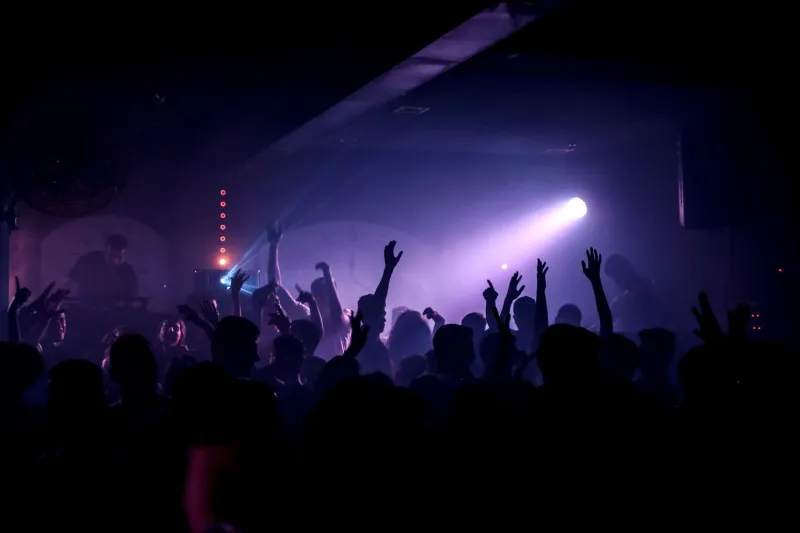
You're three hours deep into a Saturday night, the room is sweating, and a track drops that you swear you've heard somewhere before—but you can't place it. There's a decent chance that feeling of familiarity didn't come from a playlist or a friend's recommendation. It came from a radio program director you've never met, working a desk job you probably don't think about, making calls that quietly shape what gets played on dance floors from Miami to Minneapolis.
These are the gatekeepers behind the gatekeepers. And in 2025, their role is more complicated—and more contested—than ever.
What a Program Director Actually Does
Strip away the industry jargon and a radio PD's job is pretty simple in concept: decide what goes on air, when, and how often. But in practice, especially at a dance music station, that means navigating a maze of genre politics, audience data, label relationships, and pure gut instinct—all at once.
"People think it's just picking songs you like," says one program director at a major market electronic music station in the Southeast who asked to remain anonymous. "But you're balancing what your core listeners expect, what advertisers will tolerate, what the labels are pushing, and what you actually believe in artistically. Those four things almost never fully line up."
For dance music specifically, the job carries extra weight. Club DJs and radio programmers have always existed in a kind of feedback loop—radio breaks a track, clubs pick it up, clubs prove the track has legs, radio plays it more. But the rise of streaming and social media has scrambled that loop in ways the industry is still working through.
Discovery in the Age of Overload
Every week, a typical dance music PD receives hundreds of submissions—from major labels, indie distributors, unsigned producers sliding into DMs, and publicists firing off email blasts. The math is brutal. Most tracks don't get a second listen.
So what actually gets through? According to several programmers Energy Dance Radio spoke with, it's rarely one thing.
"I'm looking at streaming numbers, sure," admits a Chicago-based programmer who oversees a regional dance and house format. "But I'm also watching what's getting played at clubs I trust. I've got a short list of DJs whose sets I monitor—if three of them are dropping the same track on the same weekend, I'm paying attention."
That relationship between programmers and DJs is one of the least-discussed power dynamics in electronic music. DJs, especially those with residencies at influential venues, essentially function as taste scouts. When a track gets consistent floor time in a city's key clubs, it sends a signal up the chain. Program directors notice. Labels notice. And suddenly an unknown producer from Atlanta or Detroit finds their track in rotation on stations they never pitched.
The Genre Politics Nobody Talks About
Electronic dance music is not a genre. It's a loose federation of genres—house, techno, drum and bass, trance, amapiano, hyperpop—each with its own regional strongholds, fan bases, and cultural codes. For a PD, navigating that landscape without alienating one camp or another requires a kind of diplomatic skill that doesn't show up on any job description.
"You put a hard techno track right after a commercial house record and half your audience tunes out," says a Los Angeles-based programmer with nearly fifteen years in the format. "Sequencing is everything. It's not just about individual tracks—it's about how they talk to each other."
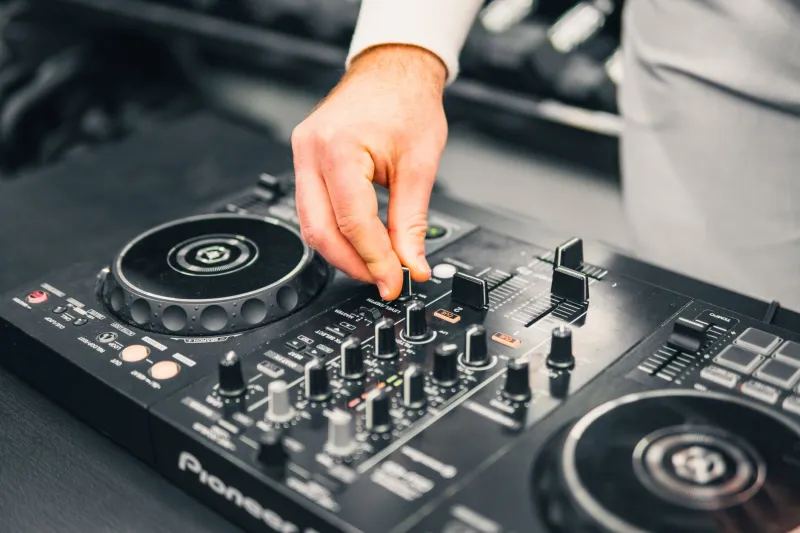
This is where the invisible influence gets really interesting. Because programming decisions don't just reflect taste—they actively shape it. When a station commits to playing a specific subgenre heavily, it trains its audience to expect and enjoy that sound. Clubs in the same market often follow suit, booking DJs who fit the station's established aesthetic. The program director, without ever stepping behind a CDJ, has influenced what the room sounds like on a Friday night.
The Unspoken Rules
Ask any programmer about the rules of their world and they'll tell you officially there aren't any. Ask them off the record and a different picture emerges.
Label relationships matter—a lot. A track from a producer on a label that has a history of delivering reliable content gets a longer audition than a cold submission from an unknown. That's not corruption; it's risk management. But it does create a structural disadvantage for truly independent artists.
Timing matters too. Pitching a festival-ready anthem in January has a different reception than pitching it in April, when programmers are actively building their summer rotation. "There's a calendar to this," one programmer explained. "Producers who understand that calendar have a real advantage."
And then there's the question of regional identity. A track that's killing it in New York clubs might not translate to a Phoenix or Nashville audience without some runway. Smart PDs think about their specific market, not just the national trend.
What This Means for Artists
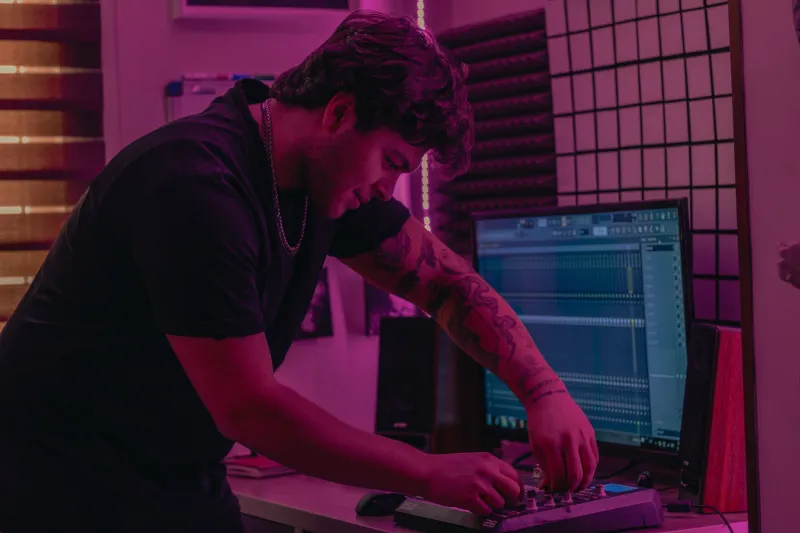
For producers trying to break through, understanding the programmer's world is genuinely useful. Getting a track into the right DJ's hands—someone with a documented relationship with radio—can matter more than a million streams. Building relationships with local stations before targeting national ones is often the smarter path. And releasing music in sync with the industry's seasonal rhythms gives a track a better shot at serious airplay consideration.
The gatekeeping system isn't going away. But it's more porous than it used to be, and the producers who figure out how to move through it—rather than rail against it—tend to be the ones who end up on the dance floor at 2 a.m., with a room full of strangers losing their minds to something they made in a bedroom.
That feedback loop is still spinning. It just has more hands on it than you'd think.