Off the Books and On the Floor: Inside the Underground Event Economy Thriving in America's Warehouses
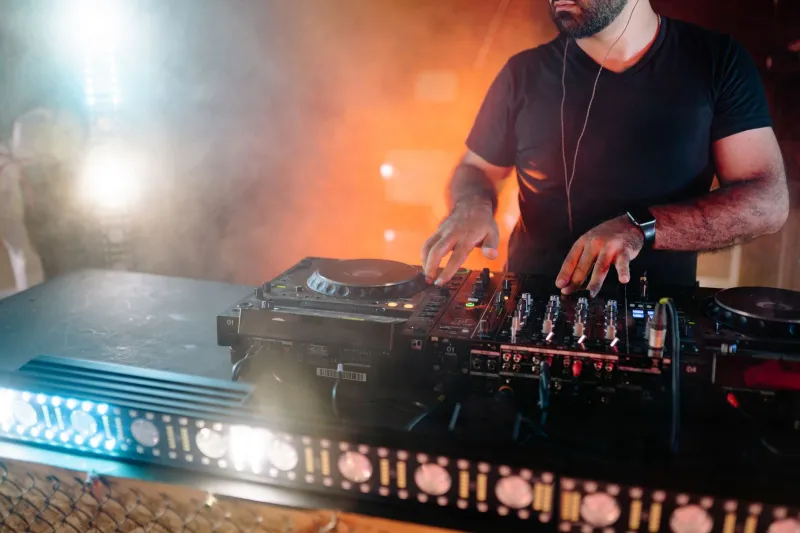
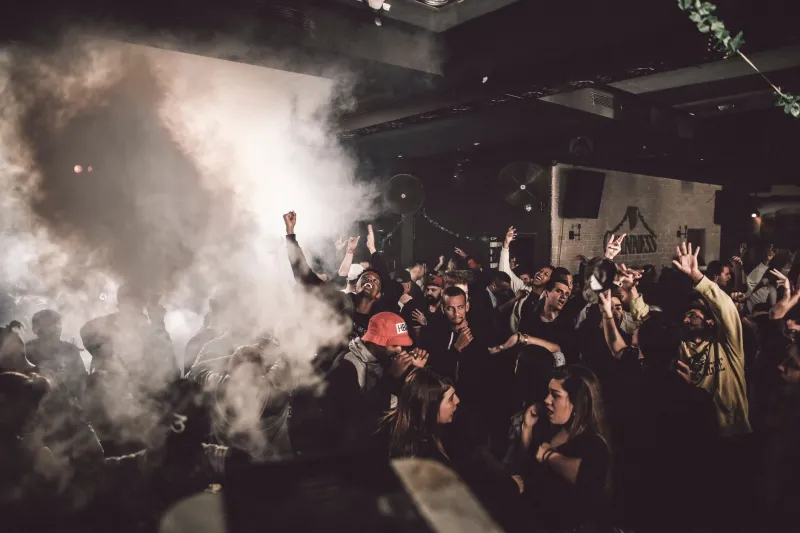
The line outside the official venue stretches a full city block. Cover is $40, drinks are $16, and the DJ starts at 11 but the headliner won't go on until 1:30am. Meanwhile, twenty minutes across town, a hundred people are already dancing in a converted textile warehouse. There's no sign outside. You got the address from someone who got it from someone else. The sound system is better than you expected. The drinks — where there are drinks — are donations into a cash box. And the DJ playing right now is one of the best you've ever heard.
This is the afterparty economy. Except increasingly, it's not the afterparty. It's the main event.
How the Math Actually Works
Underground events are often talked about in purely cultural terms — authenticity, community, resistance to commercialization. All of that is real. But there's also a straightforward financial logic to these events that doesn't get discussed as openly, and it's worth understanding.
Running a night at an official licensed venue in a major US city means absorbing a long list of fixed costs before a single person walks through the door. Venue rental, sound and lighting rental, bar minimums, security staffing, insurance, ticketing platform fees, permit costs — in cities like New York, LA, or Chicago, a mid-sized promoter can easily be carrying $8,000 to $15,000 in overhead before the event even begins. That money has to come back through ticket sales and, in many cases, bar revenue splits.
A warehouse event operates on a fundamentally different model. The space is often free or near-free — borrowed, bartered, or rented informally from a building owner who's happy to have the place occupied for a night. There's no official bar infrastructure, which means no liquor license costs and no bar minimums. Security is handled by trusted community members rather than contracted firms. And because events are communicated through private channels rather than public listings, there's no advertising spend.
Tickets — when they exist — are sold directly, often through Signal groups, private Discord servers, or cash at the door. On a 200-person event where the average contribution is $20 to $25, a promoter can net $3,000 to $4,000 after paying the DJ and covering basic costs. For a solo promoter working a second job, that's meaningful income. For a collective running three or four events a month, it starts to look like a real business.
The Trust Architecture
What makes the underground economy work isn't just the financial model — it's the social infrastructure that makes it possible to run events without the legal protections that official venues rely on.
Invite-only distribution is the foundation. Word spreads through networks of people who know each other, which means the crowd at any given event is self-selected for a certain level of community accountability. You're not going to do something that gets you uninvited from future events. And because the promoter knows — or knows someone who knows — most of the people in the room, problems that would require security intervention at a club get handled socially before they escalate.
This isn't foolproof, and underground events have their own documented issues with safety, particularly around consent and substance use. But the community-accountability model does create a different kind of social contract than the transactional relationship between a club and its paying customers.
Promoters who run these events long-term often describe building what amounts to a membership community — a core group of regulars who anchor the culture of the event and vouch for new attendees. It's informal, but it functions like a reputation system, and it's remarkably durable.
Why DJs Are Choosing Warehouses Over Clubs
For artists, the calculus is different but the conclusion often lands in the same place.
Official venues come with official constraints. Set times are fixed, volume gets managed by venue staff, and the booking relationship often comes with expectations about what kind of music gets played and how long the set runs. A DJ hired to play at a licensed club is, to some degree, a service provider delivering a product.
A warehouse booking is a different relationship entirely. When a promoter who trusts you hands you a sound system and says "play until it feels right," you get to do something that's increasingly rare in professional DJ culture: take real risks. Play the weird stuff. Let a set breathe. Go long on a groove because the room is feeling it. Fail in public without it being a career-defining failure.
That freedom has real value, and a lot of artists are accepting lower guarantees or flat-out playing for the door split because the creative environment is worth it. Especially for artists whose music lives in the deeper, slower, more demanding corners of electronic music — the stuff that doesn't translate to a 45-minute club set at a venue that needs the DJ to "keep the energy up."
The Authenticity Premium
Zooming out a little, the underground event economy is part of a broader pattern showing up across American consumer culture: people paying a premium — in effort, in inconvenience, in the friction of getting an invitation — for experiences that feel genuinely unmediated.
The same impulse that drives people to farmers markets over grocery stores, or independent bookstores over Amazon, is operating here. A warehouse event is inconvenient. You might not know the exact address until the afternoon of. The bathrooms are going to be rough. The bar might be a cooler of canned beer. And none of that matters, because the experience on the other side of all that friction feels real in a way that a corporate-sponsored club night with a sponsored cocktail menu simply doesn't.
That's not nostalgia. It's a response to a cultural moment where so much entertainment has been packaged, optimized, and delivered through platforms that the unoptimized version carries its own kind of value.
What Happens Next
Underground scenes have a complicated relationship with growth. The things that make them special — the intimacy, the trust networks, the creative freedom — are exactly the things that get eroded when they scale. And they always attract attention eventually, whether from local authorities, insurance companies, or the mainstream industry that wants to capitalize on whatever's happening in the warehouse.
The smartest promoters running these events know this and are deliberately managing scale. Keeping events small. Moving locations. Staying private even when they could go public. It's a choice to stay underground, not a limitation.
For as long as official venues keep raising prices, shortening set times, and optimizing for bottle service revenue, the warehouse floor is going to keep looking like the better option. And the people who figured out how to make it work financially are going to keep showing up, sound system in the back of a van, ready to make something real.