Lights Up at Sunrise: The Rise of Round-the-Clock Club Culture in America
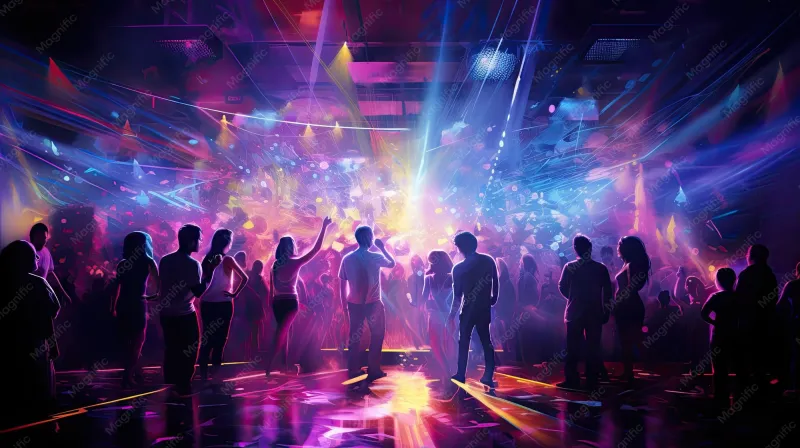
Photo: crowded nightclub dance floor sunrise morning light people dancing warehouse party, via img.freepik.com
It's 7 a.m. on a Saturday in Brooklyn, and the bass is still thumping. The crowd isn't thinning out — if anything, it's getting more focused, the casual drinkers long gone and the true believers now owning the floor. Outside, the city is just starting to wake up. Inside, nobody cares.
This is the new American nightlife, and it doesn't have a bedtime.
Beyond Last Call
For decades, US club culture has operated under a pretty rigid set of rules. Most states require bars and clubs to stop serving alcohol somewhere between 2 and 4 a.m., which has historically meant the music stops not long after. Compared to cities like Berlin, London, or Amsterdam — where clubs routinely run 24 hours or more — America's dance scene has always felt like it had one hand tied behind its back.
But that's starting to shift. A combination of changing local ordinances, the post-pandemic hunger for longer, more meaningful experiences, and a generation of promoters who grew up watching European rave culture on YouTube has quietly started reshaping what's possible stateside.
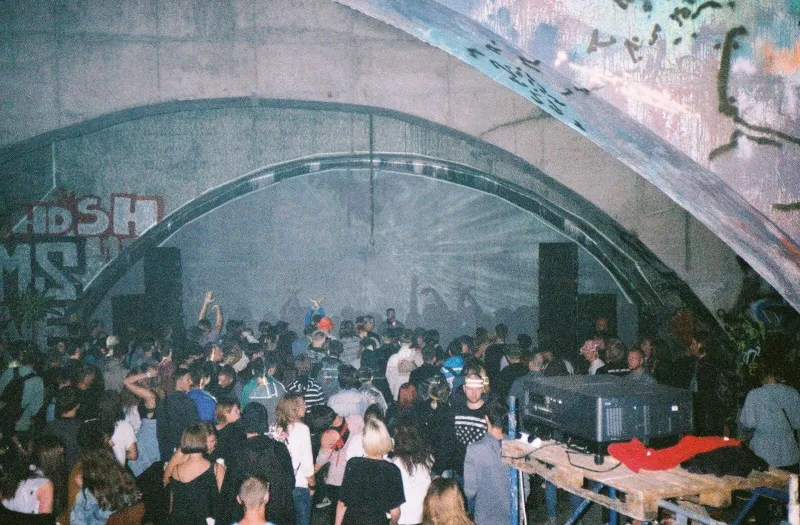
In New York City, the nightlife economy has been a serious policy conversation since the city appointed its first-ever Nightlife Mayor back in 2017. Chicago's warehouse party scene has long operated in a legal gray zone that's gradually becoming more formalized. In New Orleans — where the culture of staying out late is practically a civic religion — promoters have been pushing multi-day festival-style club events that blur the line between concert and endurance sport.
The Promoters Making It Work
Talk to anyone throwing these extended events and you'll hear the same thing: the logistics are brutal, but the payoff is real.
"A regular six-hour club night, you're fighting for attention the whole time," says Marcus Webb, a Chicago-based promoter who's been running warehouse parties on the city's west side for the better part of a decade. "When you commit to going 18, 20 hours, something different happens. People settle in. They stop performing and start actually dancing."
Webb's events typically kick off around 10 p.m. Friday and run through Saturday afternoon, with a rotating cast of DJs keeping the energy moving in shifts. He's worked out a system — quieter, more hypnotic sets in the early morning hours, then a gradual build back up toward a peak-time closer around noon. "That second sunrise set," he says, "there's nothing like it. People lose their minds."
The economics, though, require some creative thinking. Extended events mean higher venue costs, more staff, more insurance headaches, and a lineup that has to be curated across a much longer arc. Webb offsets some of this by charging a tiered ticket structure — early entry is cheaper, but a full-run pass that gets you in-and-out privileges over the whole event commands a premium. "People will pay for it," he says. "Especially now. After the pandemic, people want value. They don't want to pay $30 to dance for two hours."
What the DJs Say
For the artists behind the decks, marathon events present a different kind of creative challenge. Playing a two-hour slot at a festival is one thing. Being asked to hold a room at 5 a.m. when the crowd is deep in their own heads is something else entirely.
Denver-based DJ and producer Leila Santos has been part of the extended-event circuit for about three years. She describes the experience of playing an early-morning set as almost meditative. "You stop thinking about making people jump," she says. "At that hour, it's about sustaining something. You're holding a vibe, not creating one from scratch."
Santos says the crowd's energy in those liminal hours — somewhere between night and day, between exhaustion and euphoria — pushes her to take risks she wouldn't normally take in a peak-time slot. "I'll play things I've been sitting on for months. Weird edits, slower stuff, things that need space. The crowd is in a place where they actually hear it."
The Culture of Rest and Recovery
Of course, dancing for 12-plus hours straight isn't without its complications. The conversation around harm reduction and physical wellbeing has become a real part of how the better-run extended events operate.
More promoters are now building rest areas into their venues — quiet rooms with seating, water stations, and even on-site medical support. Some New York events have partnered with harm reduction organizations to provide testing services and educational resources. The goal isn't to police the experience; it's to make sure people can actually last the full run and get home safely.
"We take care of our people," says Webb. "That's the whole point. If someone's not okay, the party isn't okay."
The culture around pacing yourself has also evolved. Veterans of the extended-event scene talk about eating before they arrive, staying hydrated, taking breaks, and building recovery time into their weekend plans the same way an athlete would. There are even online communities dedicated to sharing tips on how to survive — and thrive — at marathon events.
What It Says About Where We're Headed
The rise of round-the-clock club culture in America isn't just a scheduling quirk. It reflects something deeper about what people are looking for in nightlife right now. After two years of lockdowns, reduced-capacity events, and watching European and South American club scenes from a distance, a lot of American dancers came back with a renewed appetite for something more immersive, more committed, more real.
A short club night can feel transactional. An all-day event feels like a world you actually inhabit for a while.
Whether local laws will catch up to this demand is still an open question. Several cities are actively reviewing their nightlife ordinances, and advocates are pushing for more flexible licensing that would allow extended events without the current legal gymnastics. Progress is slow, but the momentum is there.
In the meantime, the parties keep going. The music doesn't stop just because the sun comes up. And honestly? That's exactly the point.